
Fredericksburg, Virginia · Mold Remediation & Cleanup
Mold Removal in Fredericksburg VA
A musty basement after a week of rain, a stain creeping across a ceiling under the roofline, damp insulation in a crawl space. When that is what you are looking at, mold removal in Fredericksburg VA starts with finding where the moisture is coming from, then walling off the damaged area and cutting out materials that cannot be saved. Phone us with a short description and we will map out a first step.
Moisture source firstSealed off work zonesPlan agreed in writing
What happens when you call
- 1Tell us what you are seeing and where it is.
- 2First questions: any leaks, any flooding, and for how long.
- 3You get a clear next step, with no obligation to book.
- Water Traced FirstThe water source is located before anything else
- Contained Work AreaBarriers keep disturbed material out of clean rooms
- HEPA Air FiltrationAir scrubbers run while material comes out
- Documented ScopePhotos, readings and a clear written plan
- Houses & StorefrontsHouses, rentals, offices and shops
Mold Removal in Fredericksburg VA: The Essentials
- What we take on
- Growth or water stains that are too large, too hidden or too persistent to clean yourself.
- When to call
- After water gets in, when the damp keeps returning, or once you can see or smell growth.
- What happens first
- We talk first, then come out with meters to trace the water and its spread.
- Where we serve
- The City of Fredericksburg. Close by but outside the city? Call to confirm your address.
- The goal
- Fix the moisture problem, contain and remove affected materials, and leave the space cleaner and drier.
Real situations
Mold Remediation for Fredericksburg Homes & Properties
Most growth inside a building traces back to one of a handful of moisture problems. These are the ones homeowners and property managers in the area call about most often, and what each one usually means for the work.
Basement after heavy rain
Water seeps through a foundation wall or floor joint, carpet and drywall wick it up, and a musty smell follows a few days later.
What we check: Where the water entered, how high it wicked, and which materials need removal.
Bathroom that never fully dries
A fan that vents into the attic, or none at all, leaves condensation on the ceiling and around the tub after every shower.
What we check: Ventilation, ceiling and wall cavity moisture, and caulk and grout lines.
Crawl space with damp insulation
Fiberglass batts sag between joists, wood feels damp, and the smell reaches the rooms above.
What we check: Ground moisture, vents, plumbing drips and the condition of joists and subfloor.
Roof leak above a bedroom
A slow leak at flashing or a valley shows up as a ceiling stain long after the shingles were the problem.
What we check: Attic sheathing, insulation and the drywall below the leak path.
Plumbing leak behind cabinets
A supply line or drain drips inside a sink base for weeks before anyone opens the door.
What we check: Cabinet boxes, subfloor and the wall behind, often wetter than they look.
HVAC condensation
A clogged condensate line or an air handler sweating in a humid attic or closet keeps nearby materials wet.
What we check: Drain pans, surrounding framing and drywall, and supply registers.
Not sure what you’re dealing with? Call (804) 392-9142 and explain what you’re seeing.
The cause behind the growth
Why the Water Matters Most
Mold needs moisture, so removal without a moisture fix usually means the problem returns. Spores are everywhere, inside and out. They cause trouble only when a material stays wet long enough to feed them, which is why federal guidance stresses drying within a day or two.
That is also why we start with the source. Cutting out stained drywall in a basement does little if water still seeps through the wall behind it. Once the moisture is corrected, the affected materials can be removed or cleaned and the area dried so it stays that way.
- 1Moisture
A leak, seepage, condensation or high humidity
- 2Wet materials
Plaster, old lumber and pad stay wet longest
- 3Growth
Starts on materials that stay damp
- 4Remediation
Stop the leak, seal off, cut out, dry
River town details
Working Around the Rappahannock and Old Town
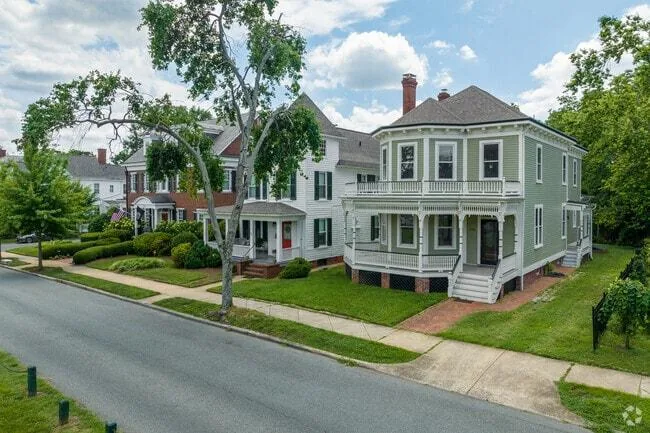
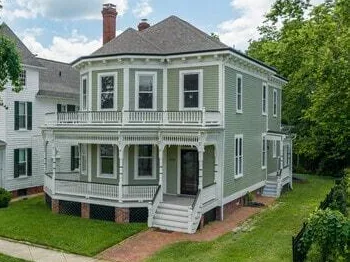
Fredericksburg mixes some of Virginia’s oldest buildings with newer neighborhoods, all close to a river that rises a few times a decade. None of that means every property has a problem. It does shape where moisture tends to come from and how we approach the work.
Near the Rappahannock
The river at Fredericksburg reaches flood stage at 13 feet. It crested around 18 feet in January 2025 and topped flood stage again that May, when water reached the restroom building at Old Mill Park. For low lying properties, river flooding and saturated ground can push water into lower levels.
Updated flood maps
New FEMA flood insurance rate maps took effect in the city on April 5, 2023, and more than 1,000 properties saw their flood zone designation change. If your property’s zone changed, past water history is worth mentioning when you call.
Historic downtown buildings
The downtown historic district spans about forty blocks around the 1728 town site and holds more than two hundred Federal period buildings. Their brick, lime plaster and dense old lumber take on and give up water slowly, so we lean on cleaning and drying and keep demolition to a minimum.
Humid summers, wet seasons
Summer highs sit in the upper 80s with plenty of humidity, about 40 inches of rain falls across the year, and thunderstorms roll through on roughly 40 days. Winter nights in the mid 20s are cold enough to split an exposed pipe.
Local source: City of Fredericksburg flood information
Newer homes are not exempt. Finished basements, tightly sealed houses and HVAC equipment in attics create their own condensation and humidity problems of their own.
Our method
Fredericksburg Mold Remediation, Stage by Stage
Every job follows the same order, scaled to the size of the problem. A small bathroom ceiling and a full crawl space get the same logic, just different amounts of containment and equipment.
- 1
Initial conversation
You describe what you’re seeing and where. First questions: any leaks, any flooding, and for how long.
- 2
Moisture and affected area assessment
Moisture readings and a visual check show how far the problem reaches and what is feeding it.
- 3
Containment planning
Larger jobs get plastic walls and negative air so the rest of the home stays clean.
- 4
Removal and cleanup
Materials that cannot be cleaned are bagged and removed; salvageable surfaces are cleaned.
- 5
HEPA filtration and controls
Air filtration and HEPA vacuuming capture what removal disturbs.
- 6
Drying and moisture correction
The area is dried and the source addressed so conditions don’t return.
- 7
Final review and documentation
A last walkthrough with readings and photos, plus notes on anything to watch.
Every stage is laid out step by step on our process page.
Problem areas
Where Do Fredericksburg Houses Get Damp?
Basements
Seepage, sump failures and finished walls over concrete.
Crawl Spaces
Ground moisture, damp insulation and joists.
Attics
Roof leaks, bath fans and condensation on sheathing.
Bathrooms
Ceilings, tub surrounds and poorly vented rooms.
Kitchens
Sink bases, dishwashers and ice maker lines.
Utility & Laundry Areas
Water heaters, washers and floor drains.
Bedrooms & Living Spaces
North facing walls, window frames and closets that get cold.
HVAC & Mechanical Areas
HVAC units, their drain pans and the wood beside them.
Tell us where the moisture or visible growth is, and we’ll explain the next step.
A short call is usually enough to say whether you need remediation, a water fix first, or a visit.
Water damage restoration
Water Damage Restoration in Fredericksburg, VA
Water damage restoration in Fredericksburg is about speed and careful drying, especially in the older homes near the river. We serve Fredericksburg by appointment and respond 24/7 to active water problems.
Rappahannock flooding, winter nights cold enough to split an exposed pipe, and basements in historic houses that never fully dry out are the usual starting points. We remove standing water, measure how far it moved into plaster, framing and floors, take out only what can’t be dried, and keep equipment running with daily checks.
- Turn off water and power where it’s wet
- Extract and record the damage
- Dry plaster, wood and floors to target readings
- Check for growth before repair work
Equipment and timelines are covered on our water damage restoration page.
What Does Mold Removal Cost in Fredericksburg?
Cost depends on how large the affected area is and what it takes to fix the cause, so there is no honest flat price. The main factors are:
- Size of the affected area
- Materials involved, such as drywall, subfloor, framing or insulation
- How hard the area is to reach, like a low crawl space or drywall ceiling
- What it takes to stop the water
- How many rooms need sealing off
- The amount of drywall, insulation or flooring that comes out
- Drying and any repairs afterward
We explain the scope and price before work starts, so you can decide with the full picture.
Why Do Fredericksburg Homeowners Choose Professional Remediation?
- ClarityBefore any cutting, you hear the findings and agree on what stays.
- ContainmentDust and spores stay behind the plastic, not in your living room.
- Source awarenessEvery plan includes stopping the water that caused it.
- Proper equipmentHEPA filtration, moisture meters and drying equipment sized to the job.
- DocumentationPhotos and numbers you can hand to an insurer or a buyer.
- Clear next stepsYou leave with clear signs to watch for.
For a broader look at how we handle mold remediation, the services overview has the detail.
Service area
Serving Fredericksburg Homes & Properties
We serve the whole city by appointment, from the riverfront blocks downtown to the subdivisions out west. Live in Spotsylvania or Stafford close by? Ask and we will let you know.
Our team works from 715 Hull St, Richmond, VA 23224, shown on the map. Fredericksburg visits are booked ahead to fit your schedule.
Richmond
Downtown · The Fan · Church Hill · Manchester · Museum District · West End
Henrico County
Short Pump · Glen Allen
Chesterfield County
Midlothian · Bon Air
Hanover County
Nearby Cities
Petersburg · Colonial Heights · Fredericksburg · Newport News
FAQ
Questions From Fredericksburg Property Owners
Worried About Damp or Growth in Your Home?
Call and tell us what you’re seeing in your Fredericksburg property. We’ll help you understand the next practical step, whether that is remediation, fixing a leak first, or a closer look.
Mold Removal in Fredericksburg VA · (804) 392-9142 · Homes & commercial properties